
PRODUCTS
Popular products
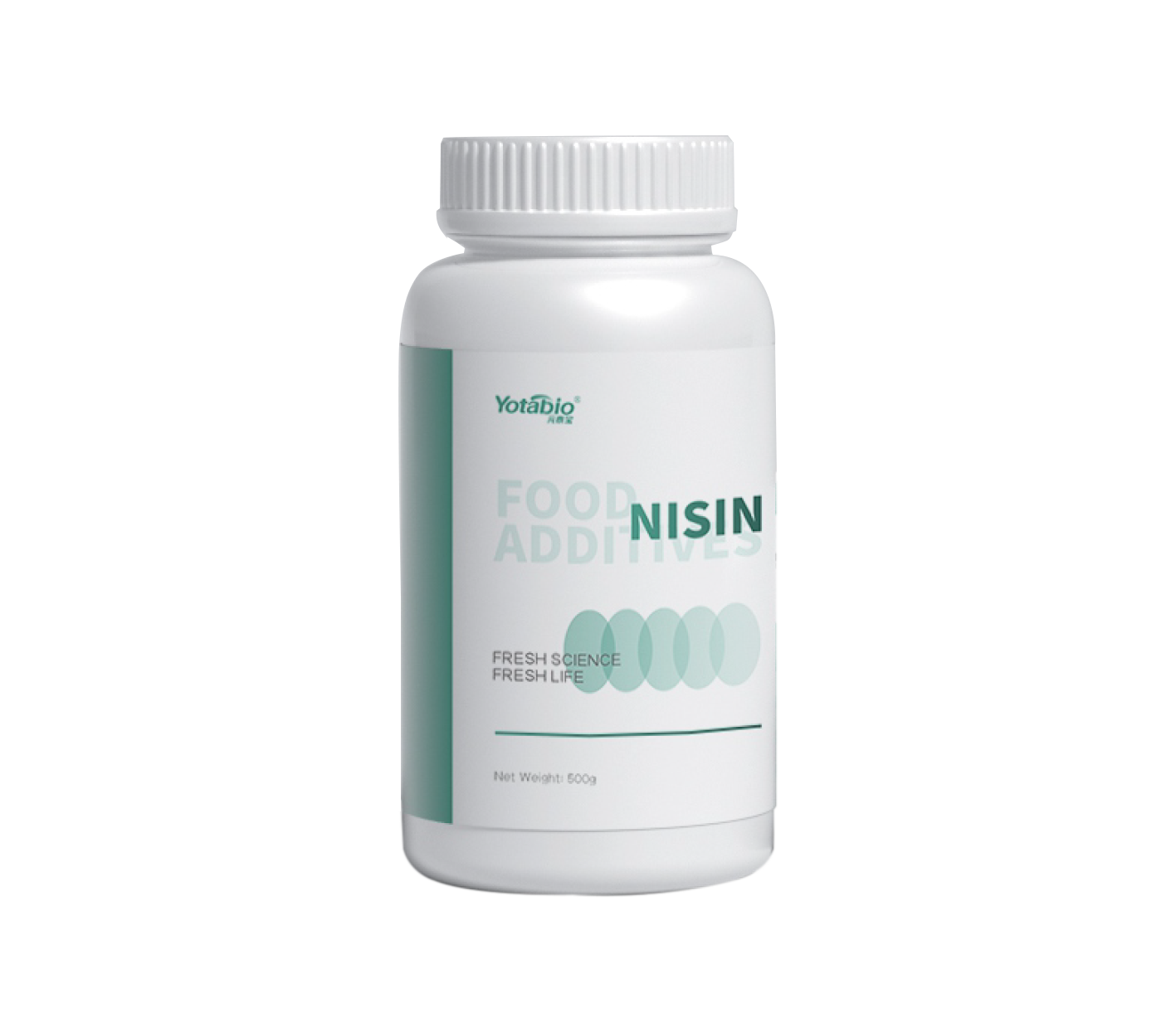
Nisin
Nisin is a natural preservative used in the biopreservation of food. NISIN is a natural additive obtained from the fermentation of a strain of Lactococcus lactis subsp. lactis (non-GMO). Nisin is a natural bactericide, approved by the EU (food additive number E-234), active against a large number of gram-positive bacteria, especially spore forming bacteria such as Clostridium spores, Staphylococcus aureus, Listeria monocytogenes, Bacillus subtilis, etc. NISIN is not active against gram-negative bacteria, yeasts or moulds.
Contact me:
Technical Data Sheet
NISIN — Nisin A & Nisin Z
Natural Antimicrobial Peptide · Lantibiotic Bacteriocin · E-234
C₁₄₃H₂₃₀N₄₂O₃₇S₇ · MW 3,354 Da · CAS 1414-45-5
34-Amino Acid Polycyclic Peptide · Produced by Lactococcus lactis subsp. lactis
34-Amino Acid Polycyclic Peptide · Produced by Lactococcus lactis subsp. lactis
Doc: TDS-NIS-001
Rev: 01 · June 2026
Rev: 01 · June 2026
📋 Product Identification
Product Name
NISIN (Nisin A & Nisin Z)
E Number
E-234
CAS Number
1414-45-5
Chemical Class
Type-A Lantibiotic · Bacteriocin
Molecular Formula
C₁₄₃H₂₃₀N₄₂O₃₇S₇
Molecular Weight
3,354 Da (Nisin A)
Source Organism
Lactococcus lactis subsp. lactis
Production Method
Controlled fermentation (non-GMO)
Amino Acid Residues
34 (incl. lanthionine, β-methyllanthionine, dehydroalanine)
Ring Structures
5 internal thioether rings
Appearance
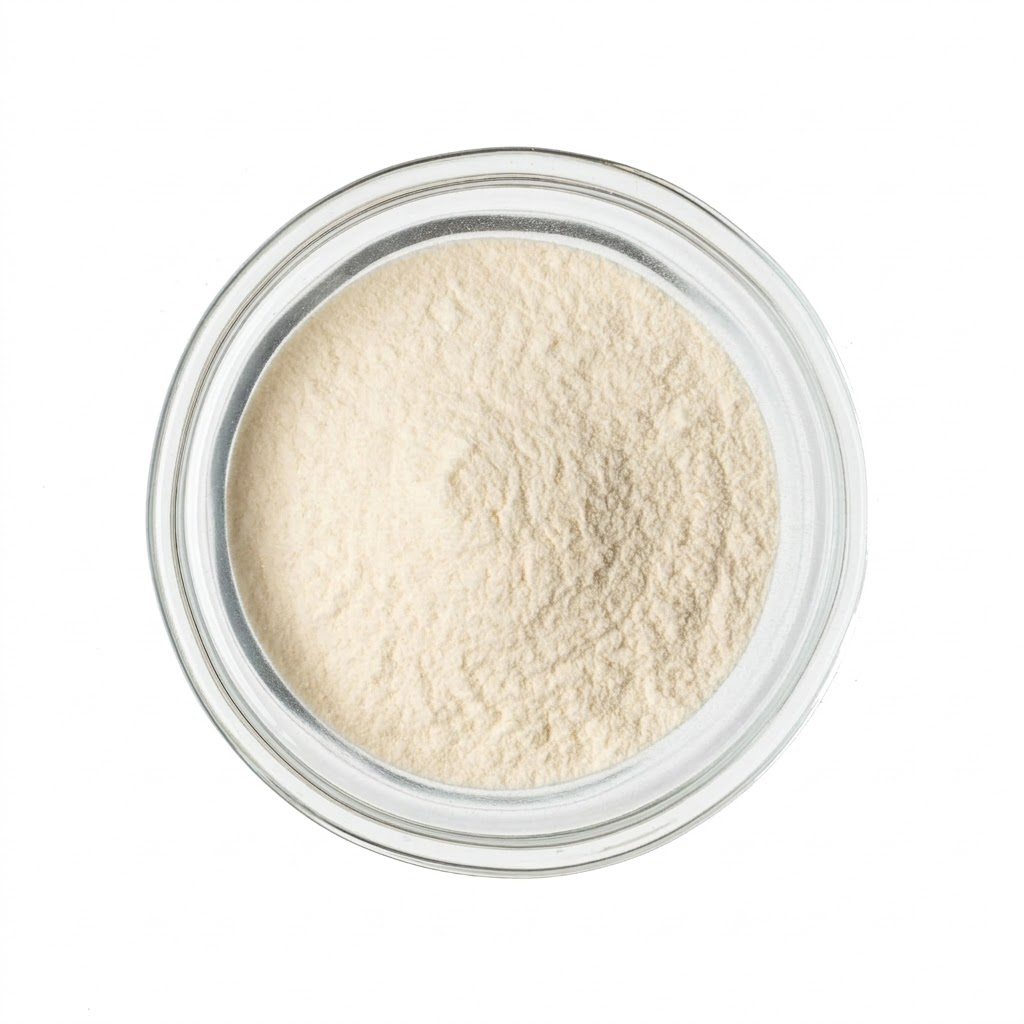
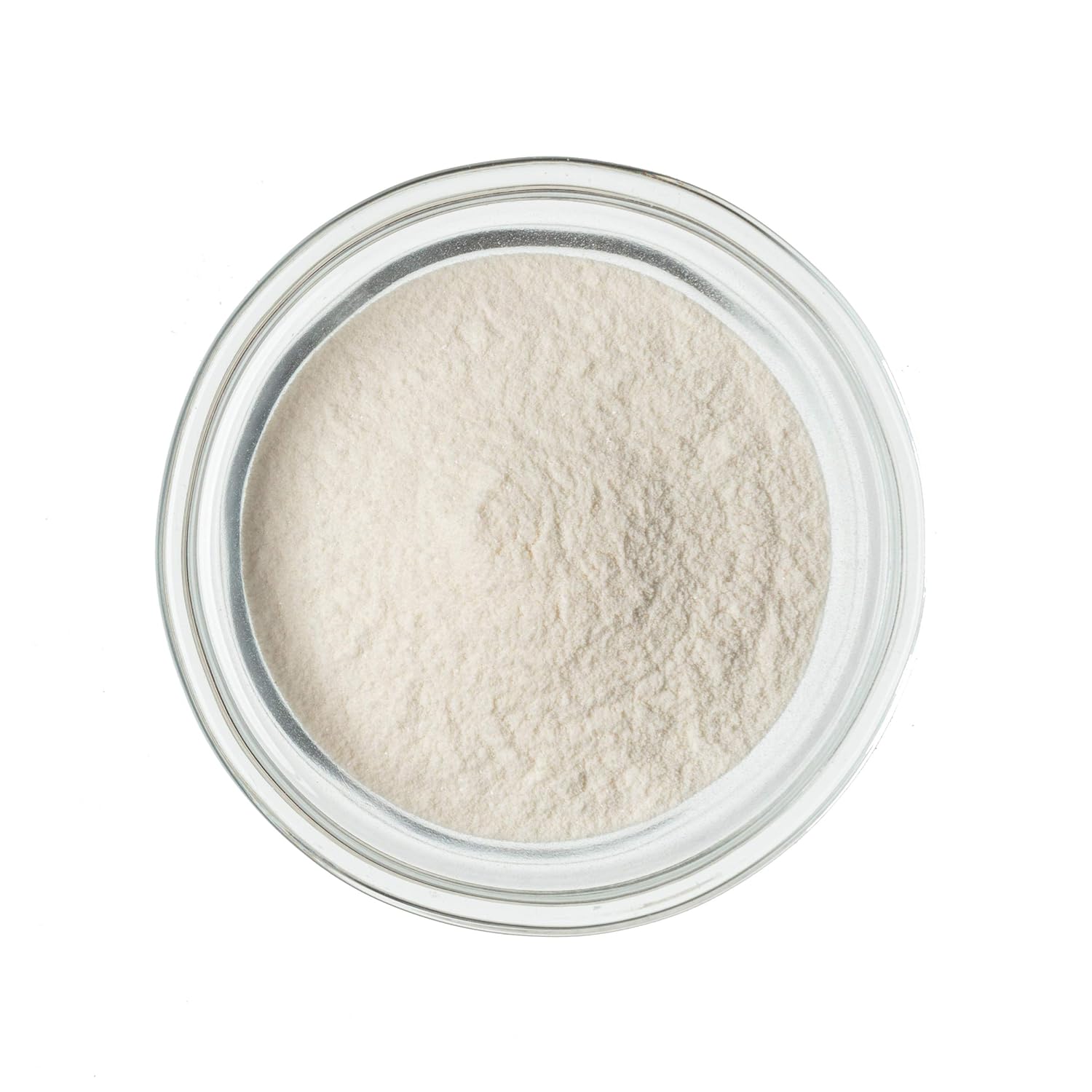
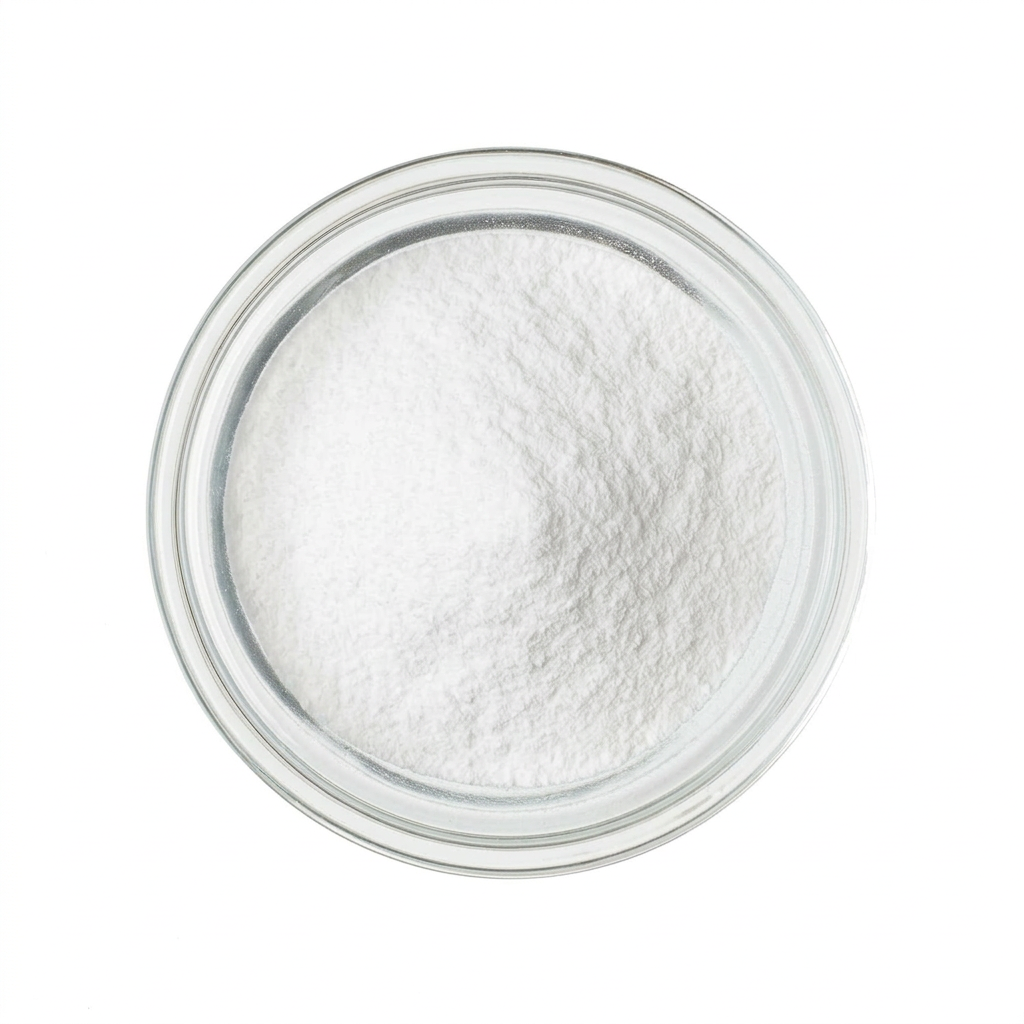
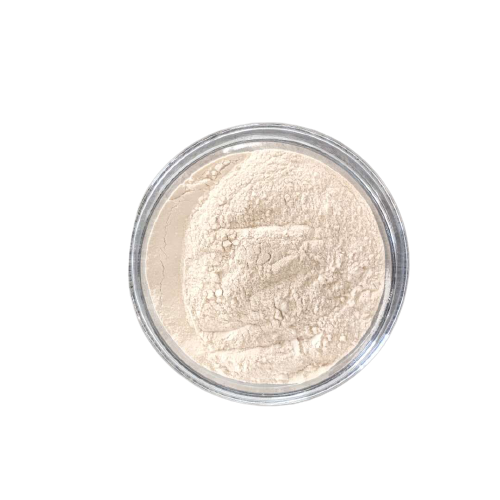
Slightly brown powder
Trademark
YOTABIO
Origin
Made in China
Grade
Food Grade · GRAS Status
🔬 Product Description
Nisin is a naturally occurring polycyclic antibacterial peptide (bacteriocin) produced by the bacterium Lactococcus lactis through controlled fermentation. Composed of 34 amino acid residues — including the rare thioether amino acids lanthionine, β-methyllanthionine, and dehydroalanine — Nisin forms five distinctive internal ring structures that confer exceptional stability and antimicrobial potency.
Nisin is highly effective against a broad spectrum of Gram-positive bacteria, particularly spore-forming organisms such as Clostridium spp., Bacillus spp., Listeria monocytogenes, and Staphylococcus aureus. It is not active against Gram-negative bacteria, yeasts, or moulds. Approved by the EU as food additive E-234, classified GRAS by the US FDA, and compliant with FAO/WHO food chemical codexes, Nisin is authorized for use in foods in over 50 countries worldwide — making it the only bacteriocin approved globally as a food preservative.
Nisin is highly effective against a broad spectrum of Gram-positive bacteria, particularly spore-forming organisms such as Clostridium spp., Bacillus spp., Listeria monocytogenes, and Staphylococcus aureus. It is not active against Gram-negative bacteria, yeasts, or moulds. Approved by the EU as food additive E-234, classified GRAS by the US FDA, and compliant with FAO/WHO food chemical codexes, Nisin is authorized for use in foods in over 50 countries worldwide — making it the only bacteriocin approved globally as a food preservative.
Gram (+) Specialist
Targets Listeria, Clostridium, Bacillus, Staph. aureus
100% Natural
Fermentation-derived bacteriocin — clean label
Heat Stable
Active even at 121 °C for 30 min in acidic conditions
Non-GMO
EU Reg. (EC) 1829/2003 & 1830/2003 compliant
Shelf-Life Extension
2–3× extension across dairy, meat, beverages
Rapid Digestion
Hydrolyzed to amino acids in the GI tract
⚖️ Nisin A vs Nisin Z — Variant Comparison
Two natural molecular variants of Nisin are produced by L. lactis. They differ by a single amino acid substitution at position 27 and exhibit comparable antimicrobial strength with subtle differences in solubility and diffusion properties.
Property
Nisin A
Nisin Z
Position 27
Histidine (His)
Asparagine (Asn)
Molecular Weight
3,354 Da
3,331 Da
Amino Acid Residues
34
34
Ring Structures
5 thioether rings
5 thioether rings
MIC Activity
Identical to Nisin Z
Identical to Nisin A
Solubility (Low pH)
Higher
Slightly lower
Diffusion in Agar
Standard
Greater (larger inhibition zones)
Solubility (Neutral pH)
Comparable
Comparable; better dispersibility
Molecular Stability
Most studied; most stable
Stable; slight variation in specific conditions
Regulatory Status
EU, FDA, Codex, 50+ countries
Accepted as "Nisin" — same regulatory basis
Key Advantage
Better acid solubility; widest literature
Better diffusion in complex food matrices
⚙️ Mechanism of Action
Nisin employs a dual-action mechanism that is unique among antimicrobial peptides, targeting the essential bacterial cell wall precursor Lipid II. This makes it extremely potent at nanomolar concentrations against Gram-positive organisms.
1
Lipid II Binding
The N-terminal lanthionine rings (A & B) form a pyrophosphate cage around the head-group of Lipid II, a critical cell wall precursor molecule anchored in the bacterial cytoplasmic membrane.
2
Pore Formation
The C-terminal region inserts into the membrane, and Nisin–Lipid II complexes oligomerize to form defined transmembrane pores (diameter 2–2.5 nm), causing rapid leakage of ions and essential cellular contents.
3
Cell Wall Inhibition
By sequestering Lipid II, Nisin simultaneously blocks peptidoglycan biosynthesis, preventing cell wall formation. This dual mechanism causes rapid cell death — even at extremely low concentrations.
SELECTIVITY: Nisin's Lipid II–dependent mechanism is specific to Gram-positive bacteria. Gram-negative bacteria possess an outer membrane that prevents Nisin from accessing Lipid II. Nisin has no effect on Gram-negative bacteria, yeasts, or moulds.
🦠 Antimicrobial Spectrum
✅ Effective Against (Gram-Positive)
Spore-forming pathogens:
Clostridium botulinum, C. sporogenes, C. tyrobutyricum
Bacillus cereus, B. subtilis, B. stearothermophilus, B. sporothermodurans
Non-spore-forming pathogens:
Listeria monocytogenes
Staphylococcus aureus (incl. MRSA)
Enterococcus spp.
Spoilage organisms:
Lactobacillus spp., Leuconostoc spp., Pediococcus spp.,
Brochothrix thermosphacta, lactic acid bacteria (LAB)
Clostridium botulinum, C. sporogenes, C. tyrobutyricum
Bacillus cereus, B. subtilis, B. stearothermophilus, B. sporothermodurans
Non-spore-forming pathogens:
Listeria monocytogenes
Staphylococcus aureus (incl. MRSA)
Enterococcus spp.
Spoilage organisms:
Lactobacillus spp., Leuconostoc spp., Pediococcus spp.,
Brochothrix thermosphacta, lactic acid bacteria (LAB)
❌ Not Effective Against
Gram-negative bacteria:
E. coli, Salmonella, Pseudomonas, etc.
(outer membrane prevents access to Lipid II)
Fungi & Yeasts:
All moulds and yeasts are unaffected
(use Natamycin or FRESHMIX AF for antifungal control)
Note: Research shows Nisin may enhance activity against some Gram-negatives when used in combination with chelators (e.g. EDTA) or other hurdle technologies.
E. coli, Salmonella, Pseudomonas, etc.
(outer membrane prevents access to Lipid II)
Fungi & Yeasts:
All moulds and yeasts are unaffected
(use Natamycin or FRESHMIX AF for antifungal control)
Note: Research shows Nisin may enhance activity against some Gram-negatives when used in combination with chelators (e.g. EDTA) or other hurdle technologies.
📊 Product Specifications
🧪 Composition
YOTABIO Nisin preparation is a standardized blend consisting of the active bacteriocin peptide (Nisin E-234) on a sodium chloride carrier matrix. This ensures uniform potency, stable shelf life, and ease of dispersion in food applications.
⚗️ Dosage Guide by Application
The recommended dosage of Nisin ranges from 25–500 mg/kg of food, depending on product type, target organisms, processing conditions, and desired shelf life. The following table provides sector-specific guidance from YOTABIO's application data.
PREPARATION: Nisin can be added directly as a dry powder. If a solution is required, dissolve in high-purity water adjusted to pH 2–4 (with 0.02 N HCl). Freshly prepared solution should be added at the desired concentration. Nisin is insoluble in non-polar solvents. For heat-processed foods, ensure thorough dispersion prior to heating.
🏆 Key Benefits
🏭 Application Matrix
Nisin is effective across a wide pH range (3.5–8.0) and is authorized in a broad spectrum of food categories:
📜 Regulatory & Compliance Status
🇪🇺
European Union
Food Additive E-234
Directive 95/2/EC
Reg. (EC) 1333/2008
Directive 95/2/EC
Reg. (EC) 1333/2008
🇺🇸
United States FDA
GRAS Status
GRN 000065
21 CFR § 184.1538
GRN 000065
21 CFR § 184.1538
🌐
FAO / WHO
JECFA Evaluated
ADI: 0–2 mg/kg bw/day
Codex GSFA Listed
ADI: 0–2 mg/kg bw/day
Codex GSFA Listed
🇨🇳
China (GB Standards)
Approved preservative
Both Nisin A & Z accepted
as "Nisin"
Both Nisin A & Z accepted
as "Nisin"
🇦🇺
Australia / NZ (FSANZ)
Permitted in dairy, meat,
sauces, eggs, beer
(10 mg/kg – GMP)
sauces, eggs, beer
(10 mg/kg – GMP)
🌍
Global Approvals
Authorized in 50+
countries including
MERCOSUR, SE Asia, MENA
countries including
MERCOSUR, SE Asia, MENA
Outside the EU, please confirm compliance with local food regulations before use, as regulatory status varies from country to country.
🧬 GMO Declaration
NON-GMO DECLARATION: In accordance with EU Regulation (EC) No 1829/2003 and Regulation (EC) No 1830/2003, YOTABIO Nisin is neither a GMO nor does it contain GMOs. The ingredients themselves do not contain GMOs, are not produced from GMO raw materials, and no GMOs have been used in the production process. No production process in the manufacturing plant comes into contact with GMOs. There is no risk of cross-contamination.
🛡️ Safety & Toxicology
Nisin has an extensive safety record spanning over 50 years of commercial use. It is rapidly degraded in the upper gastrointestinal tract by digestive enzymes (α-chymotrypsin) and under physiological pH, hydrolysing completely into amino acids. It does not alter normal intestinal flora, does not induce bacterial resistance, and poses no cross-resistance risk with therapeutic antibiotics.
JECFA CONCLUSION (2013): "No compound-related effects were observed at any dose in any of the toxicity studies, including the reproductive toxicity study. Ingested nisin is degraded in the upper part of the intestinal tract, such that systemic exposure is not likely to occur." — No additional safety factor was deemed necessary.
📝 Direction for Use
Direct Addition (Preferred): Nisin can be added directly as a dry powder by thorough dispersion in the food substrate. For heat-processed foods, add prior to the heating process. Nisin may also be pre-suspended in water or milk before addition.
Solution Preparation: If a solution is required, dissolve Nisin in high-purity water adjusted to pH 2–4 by addition of 0.02 N HCl. Use freshly prepared solution immediately at the desired concentration. Nisin is insoluble in non-polar solvents.
Alternative Methods: In certain processing situations, Nisin may be applied by dipping, spraying, or post-fermentation addition (e.g. stirred yoghurt, surface treatment of meat). Contact YOTABIO technical support for guidance on specialised application methods.
GENERAL DOSAGE RANGE: 25–500 mg/kg (or per litre) of food. Exact dosage depends on product type, microbial load, processing conditions, and desired shelf life. Please contact our technical team for product-specific optimization.
📦 Storage, Handling & Packaging
Temperature
< 20 °C
Conditions
Dry · Sealed · No Sunlight
Shelf Life
24 Months
Best Stability
Acidic pH
Packaging Options:
🇪🇺 EU Authorised Uses (Directive 95/2/EC Reference)
The following table lists some of the applications authorised within the EU framework. Maximum doses and food categories are subject to the latest revision of Regulation (EC) No 1333/2008 and its annexes. For non-EU markets, always confirm compliance with local food regulations.
USA (FDA GRAS): Current GMP practice permits up to 250 ppm Nisin in the finished product. Nisin is approved for pasteurized processed cheese spreads, dressings, sauces, and liquid egg products.
🔗 Synergistic Combinations
Nisin performs optimally as part of a multi-hurdle preservation strategy. Combining Nisin with complementary YOTABIO products enhances the antimicrobial spectrum and efficacy:
📄 Available Documents
Ready to Optimise Your Preservation Strategy?
Contact YOTABIO for samples, COA documents, dosage optimisation, or custom Nisin formulations.